Whole Food Grocery List: 50 Staples for Simple Meals
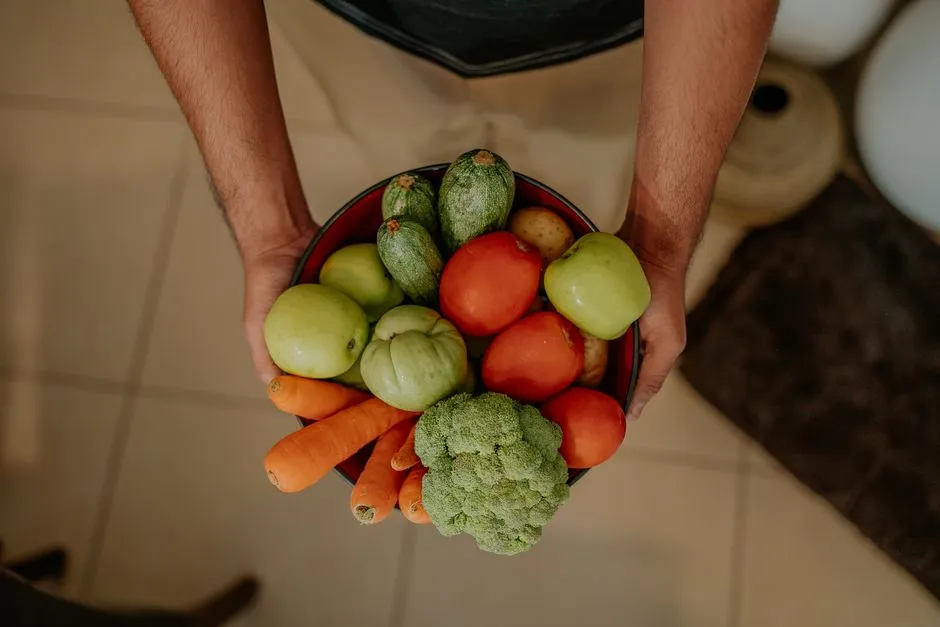
What are some examples of whole foods?
Whole foods examples include vegetables and fruit; beans, lentils, eggs, fish, meat, tofu, nuts, and seeds; and intact or whole-grain foods such as oats, brown rice, barley, and quinoa. Plain frozen vegetables, canned beans, canned fish, milk, and yogurt can also be practical minimally processed choices. Olive oil, butter, salt, spices, and vinegar are cooking staples rather than intact whole foods, but they help turn the foods on this list into meals.
There is no single regulated grocery-label definition of “whole food.” Real Food Pledge uses the term as a practical shopping description: make recognizable plant and animal foods the structure of the cart, then add the culinary ingredients needed to cook them. It is not a rule that every food must be raw, unpackaged, or made from one ingredient.
USDA MyPlate organizes food into fruits, vegetables, grains, protein foods, and dairy or fortified soy alternatives. Its examples include fresh, frozen, canned, and dried forms. That is a more useful starting point than treating the produce aisle as the only part of the store that counts.
| Grocery group | Whole-food examples | Useful packaged versions |
|---|---|---|
| Vegetables | carrots, cabbage, broccoli, spinach, potatoes | plain frozen vegetables, canned tomatoes |
| Fruit | bananas, apples, oranges, berries, pears | frozen berries, fruit canned in water or juice |
| Protein foods | eggs, fish, chicken, beans, lentils, tofu, nuts | canned beans, canned tuna or salmon, plain nut butter |
| Grains | oats, brown rice, barley, quinoa, corn | whole-wheat pasta, whole-grain bread, corn tortillas |
| Dairy or alternatives | milk, plain yogurt, cheese | lactose-free milk or fortified soy milk and yogurt |
| Cooking staples | olive oil, butter, vinegar, herbs, spices | single-purpose ingredients used to build meals |
The 50-staple whole-food grocery list
You do not need all 50 every week. This is a master list: choose a handful from each useful section according to the meals you will actually cook. Each numbered slot is one staple. Where a line says “or,” it offers interchangeable choices rather than two required purchases.
Vegetables (10)
- Onions
- Garlic
- Carrots
- Potatoes or sweet potatoes
- Cabbage
- Bell peppers
- Broccoli
- Leafy greens such as spinach, kale, or romaine
- Tomatoes
- Zucchini or another squash
Onions, carrots, potatoes, and cabbage generally give you more planning room than delicate greens, although actual storage life depends on condition and storage. Buy the softest or most perishable vegetables in quantities you can use first.
Fruits (6)
- Bananas
- Apples
- Oranges or other citrus
- Berries, fresh or frozen
- Grapes or pears, based on season and price
- Lemons or limes for cooking as well as eating
Protein foods (8)
- Eggs
- Chicken thighs or breasts; compare the unit price rather than assuming one cut is cheaper
- Ground beef or turkey
- Canned tuna or salmon
- Fresh or frozen fish
- Pork or another whole cut you use
- Tofu or tempeh
- Rotisserie chicken
Rotisserie-chicken formulas vary. Some labels list little beyond chicken and seasoning; others include brine, salt, sodium phosphates, sugars, or flavorings. The ingredient list tells you what is in that particular bird. It does not turn an unfamiliar ingredient into evidence that the food is unsafe.
Beans and legumes (5)
- Canned chickpeas
- Canned or dried black beans
- Dried lentils
- Canned white beans such as cannellini or navy beans
- Split peas or pinto beans
Dried beans, lentils, split peas, and eggs are useful budget anchors in many stores; canned beans exchange some preparation time for convenience. Prices vary, so compare the unit price and the amount you will genuinely use.
Grains (6)
- Old-fashioned or steel-cut oats
- Brown rice, or white rice when it suits the meal
- Whole-grain bread with a whole-grain flour listed first
- Whole-wheat pasta
- Quinoa or barley
- Corn tortillas
A whole grain contains the bran, germ, and endosperm in their original proportions, according to the Whole Grains Council. Oats, brown rice, quinoa, barley, and whole-wheat products qualify when those parts remain. White rice is not a whole grain because milling removes the bran and germ, but it can still be a useful single-ingredient staple. “Whole food” and “whole grain” are related ideas, not interchangeable labels.
Dairy and alternatives (4)
- Plain yogurt
- Milk, lactose-free milk, or an unsweetened plant milk that meets your needs
- Butter
- Cheese
MyPlate includes milk, yogurt, cheese, lactose-free versions, and fortified soy milk or yogurt in its Dairy Group. Other plant drinks differ in protein and fortification, so compare the Nutrition Facts panel rather than assuming every carton substitutes one-for-one. Anyone managing an allergy, medical condition, pregnancy, or prescribed diet should take individual food choices to a registered dietitian or physician.
Nuts, seeds, and fats (5)
- Olive oil
- Peanut or almond butter
- Almonds, walnuts, or another nut you will eat
- Sunflower or pumpkin seeds
- Avocados
Frozen foods and pantry flavor-makers (6)
- Frozen vegetables such as peas, spinach, or a plain stir-fry blend
- Canned tomatoes, whole, diced, or crushed
- Salt
- Whole peppercorns
- Dried herbs and spices such as cumin, oregano, paprika, or chili flakes
- Vinegar, such as apple cider or red wine vinegar
Do canned and frozen foods count?
Yes. Form matters less than formulation. MyPlate says vegetables can be fresh, frozen, canned, or dried, and its current budget materials recommend mixing fresh foods with frozen and shelf-stable staples. Plain frozen spinach is still spinach. Canned chickpeas remain chickpeas plus water and, often, salt.
Use the package for the details that matter to you. FDA says ingredients appear in descending order by weight, so the first ingredient contributes the most by weight. The list can reveal added sweeteners, oils, salt, sauces, or allergens. Length alone is not a nutrition score: a bean soup can have many ordinary ingredients, while a sugary drink can have only a few. The Nutrition Facts panel is the better place to compare sodium, added sugars, saturated fat, and serving sizes.
The same distinction applies to processing. Washing, chopping, freezing, pasteurizing, canning, and cooking all change food. None automatically makes a product ultra-processed. Our guide to what counts as ultra-processed food explains that separate classification; this page stays focused on building a usable cart.
Whole-food swaps that still make a meal
| Instead of relying on | Put these building blocks in the cart |
|---|---|
| Flavored instant oatmeal packets | plain oats + frozen berries + nuts or seeds |
| Sweetened fruit yogurt cups | plain yogurt + fresh or frozen fruit |
| Chicken nuggets as the only quick protein | eggs, canned fish, tofu, beans, or chicken pieces |
| Bottled creamy dressing | olive oil + vinegar + mustard or herbs |
| Chips and cheese puffs as the default snack | fruit, nuts, seeds, yogurt, or popcorn kernels |
| Soda and fruit drinks as the default drink | water or sparkling water + citrus |
These are options, not moral rankings. A convenience food does not cancel the rest of a meal, and an ingredient with a technical name is not automatically harmful. The useful question is whether the cart contains enough flexible foods to make breakfast, lunch, dinner, and snacks without requiring a new shopping trip.
Turn 15 to 20 staples into meals
For a first shop, choose 15 to 20 items rather than all 50. A workable small-cart formula is:
- three to five vegetables, including one long-keeping and one frozen choice;
- two or three fruits;
- two or three protein foods;
- one bean or lentil;
- two grains;
- one dairy food or suitable alternative;
- olive oil or butter, plus salt, one acid, and two seasonings.
Before buying, assign each perishable item to at least one meal. These examples use the list without demanding a formal meal plan:
- Oats bowl: oats, plain yogurt or milk, berries, and nuts or seeds.
- Egg-and-vegetable meal: eggs, potatoes, onions, and spinach.
- Bean grain bowl: brown rice or quinoa, black beans or chickpeas, cabbage, tomato, and a lemon-olive-oil dressing.
- Sheet-pan dinner: chicken, tofu, or fish with carrots, broccoli, and potatoes.
- Fast pantry pasta: whole-wheat pasta, canned tomatoes, white beans, garlic, olive oil, and dried herbs.
If an item appears in no planned meal or snack, leave it for the next shop. That simple check prevents a comprehensive master list from becoming an expensive collection of good intentions.
How to shop the list on a budget
- Anchor on adaptable workhorses. Beans, oats, rice, eggs, cabbage, carrots, onions, potatoes, canned tomatoes, and frozen vegetables can work across several meals.
- Compare unit prices. A large package is a bargain only when its unit price is lower and you can use or safely store it. USDA’s budget guidance specifically recommends checking unit prices across brands and sizes.
- Mix fresh, frozen, and shelf-stable foods. Use fragile fresh produce first, then rely on the freezer and pantry later in the week. Frozen produce also avoids paying for parts you would trim away.
- Let current prices choose among equivalents. Chicken thighs may cost less than breasts one week and not the next. The same applies to fresh versus frozen fish and one fruit versus another.
- Ignore “clean eating” as a purchasing instruction. It is not a regulated processing category. Read the ingredient and Nutrition Facts panels for the attributes you actually need.
Keep the whole-food basics close while you learn the labels, but do not turn one shopping framework into a medical prescription. The useful outcome is a cart that fits your household, budget, storage, cooking time, and dietary needs—and gives you several meals you can actually make.
Sources
- USDA MyPlate, Vegetables — supports fresh, frozen, canned, dried, whole, cut, and puréed vegetables within the Vegetable Group. Accessed September 4, 2026.
- USDA MyPlate, Protein Foods — supports the protein-food examples, including seafood, meat, poultry, eggs, beans, lentils, nuts, seeds, and soy foods. Accessed September 4, 2026.
- USDA MyPlate, Dairy — supports the Dairy Group’s milk, yogurt, cheese, lactose-free, and fortified-soy scope. Accessed September 4, 2026.
- USDA MyPlate, Eat Healthy on a Budget — supports planning from a budget, comparing unit prices, and using beans plus canned or frozen vegetables. Accessed September 4, 2026.
- U.S. Food and Drug Administration, Types of Food Ingredients — supports ingredient-list order and the point that ingredient safety standards do not depend on natural versus artificial origin. Accessed September 4, 2026.
- Whole Grains Council, Definition of a Whole Grain — supports the bran, germ, and endosperm definition and the named whole-grain examples. Accessed September 4, 2026.