What Are Ultra-Processed Foods? A Plain-English Guide
What Are Ultra-Processed Foods?
Ultra-processed foods are industrial formulations made mostly from substances extracted or derived from foods — refined starches, added sugars, modified oils, protein isolates — combined with additives like flavorings, colorings, emulsifiers, and sweeteners. They typically contain ingredients you wouldn't find in a home kitchen, and they're engineered for convenience, long shelf life, and strong flavor. Think packaged snack cakes, instant noodles, soda, and most chicken nuggets — products assembled in a factory rather than cooked from recognizable foods.
That's the short version. The longer version is worth understanding, because "processed" and "ultra-processed" are not the same thing — and the difference matters more than most food-label buzzwords.
The NOVA Classification, Explained Simply
Most conversations about ultra-processed food trace back to NOVA, a classification system developed by researchers at the University of São Paulo in Brazil. NOVA's key insight is that it sorts food by how much and why it's been processed, not by its nutrient numbers. It defines four groups:
Group 1: Unprocessed and minimally processed foods
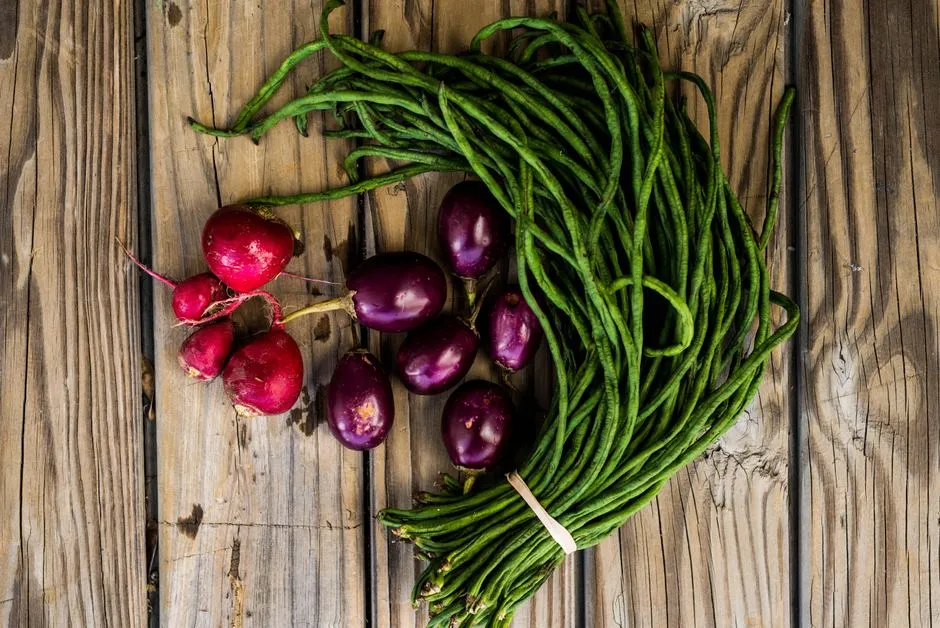
Foods eaten close to their natural state, or altered only in simple ways — washing, freezing, drying, pasteurizing, grinding. Examples: fresh or frozen vegetables, fruit, eggs, plain meat and fish, dried beans, plain yogurt, rice, oats, milk, coffee.
Group 2: Processed culinary ingredients
Substances extracted from Group 1 foods (or from nature) that you cook with, not foods you eat on their own. Examples: olive oil, butter, salt, sugar, honey, vinegar.
Group 3: Processed foods
Group 1 foods with Group 2 ingredients added, usually to preserve them or make them tastier. They still resemble the original food. Examples: canned beans, canned fish, cheese, fresh bakery bread, vegetables jarred in brine, salted nuts.
Group 4: Ultra-processed foods
Industrial products made largely from refined and modified food substances plus additives, with little or no intact whole food remaining. This is the group people mean when they say "ultra-processed."
Ultra-Processed Food Examples: A Quick List
Common items that generally fall into NOVA Group 4:
- Sugary drinks — soda, energy drinks, most sweetened fruit drinks
- Packaged snacks — chips, cheese puffs, most snack bars and crackers
- Sweets and baked goods — packaged cookies, snack cakes, most candy, mass-produced pastries
- Reconstituted meats — hot dogs, most chicken nuggets, many deli meats
- Instant and ready-to-eat meals — instant noodles, many frozen dinners, boxed mac and cheese
- Most mass-produced sandwich bread — especially loaves with emulsifiers and dough conditioners
- Sweetened breakfast cereals and flavored yogurts with long ingredient lists
- Margarine and many "plant-based" imitation products built from isolates and additives
No list is perfect, because ultra-processing is about formulation, not category. Some supermarket breads are ultra-processed; a bakery loaf made from flour, water, salt, and yeast is not.
Processed vs. Ultra-Processed: Where the Line Falls
This distinction trips people up, so here's the practical test:
| Question | Processed (Group 3) | Ultra-Processed (Group 4) |
|---|---|---|
| Does it still resemble a real food? | Yes — canned beans are still beans | Often no — the original food is unrecognizable |
| Could you roughly make it at home? | Yes, with ordinary ingredients | Rarely — it needs industrial ingredients |
| Ingredient list | Short: the food plus salt, sugar, oil, or vinegar | Long: isolates, modified starches, emulsifiers, flavorings |
| Typical purpose of processing | Preservation and taste | Convenience, shelf life, and maximum appeal |
The takeaway: processing itself isn't the enemy. Canned tomatoes, frozen peas, and tinned sardines are processed foods that belong in a healthy kitchen. The concern is concentrated in Group 4.
Why Ultra-Processed Foods Get So Much Attention
Large observational studies have linked diets high in ultra-processed food with higher risks of obesity, type 2 diabetes, and cardiovascular disease. Observational research can't prove cause and effect on its own, and researchers are still debating why the association exists — is it the additives, the calorie density, the ease of overeating, or simply what these foods displace? The honest answer is that the mechanisms aren't fully settled.
What's less controversial: ultra-processed products tend to be high in refined carbohydrates, added sugar, sodium, and fat while being low in fiber and easy to eat quickly — a combination that makes overeating effortless. You don't need the science to be finished to conclude that building meals around Group 1 foods is a reasonable default.
A Realistic Way to Cut Back
You don't need to eliminate every Group 4 item to eat well — an all-or-nothing rule usually backfires. A few practical moves:
- Read the ingredient list, not the front of the package. A long list of ingredients you wouldn't cook with is the clearest single flag.
- Swap the biggest offenders first. Sugary drinks and packaged snacks usually deliver the largest share of ultra-processed calories, so they're the highest-impact swaps.
- Keep easy whole-food alternatives on hand. Cutting back is mostly a stocking problem — our whole food grocery list covers 50 staples that make the swap painless.
- Let convenience be real food. Frozen vegetables, canned beans, rotisserie chicken, and plain yogurt are fast without being ultra-processed. For more low-effort ideas, browse our everyday eating guides.
The Bottom Line
"Ultra-processed" describes industrial formulations built from refined ingredients and additives — not simply any food that's been packaged, frozen, or canned. Learn to spot Group 4 by its ingredient list, crowd it out gradually with foods you recognize, and don't stress over the occasional exception. The goal is a kitchen where most of what you eat started out as actual food.